
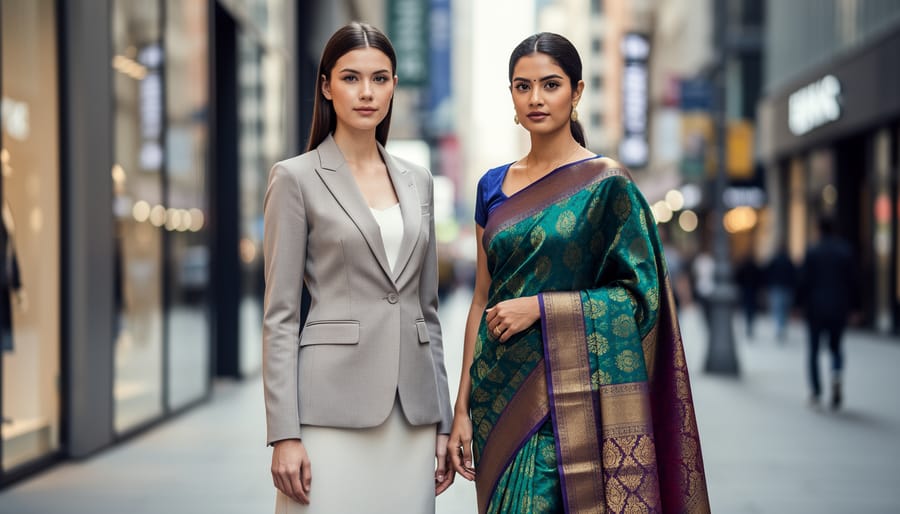
Searching for “a ja fashion” and landing here? You’re likely looking for KAJA Clothing, the contemporary women’s apparel brand now stocked at Nordstrom with its 2026 collection, or possibly Kaja Fashions, the Vaughan-based specialist in Semi Kanchipuram Silk Sarees. The phonetic slip is common, but the fashion story behind these brands is anything but ordinary.
Here’s what makes this search disconnect fascinating: while “a ja fashion” might seem like a simple misspelling, it actually opens the door to exploring two distinct fashion identities that champion different expressions of femininity and cultural heritage. KAJA Clothing represents the bite-sized, Korean-inspired aesthetic that’s redefining accessible everyday wear for women who want contemporary pieces without the contemporary price shock. Meanwhile, Kaja Fashions on Keele Street in Vaughan bridges generational style through traditional South Asian textiles reimagined for modern occasions.
Both brands share a common thread that goes beyond the similar name. They’re building communities around intentional style choices, whether that’s a perfectly cut blazer or a meticulously draped saree. And they’re doing it without the performative sustainability claims or transparency theater that’s become standard in fashion marketing.
If you typed “a ja fashion” wondering what aesthetic or trend you’d missed, you weren’t entirely wrong. What you’ve stumbled onto is proof that fashion in 2026 refuses to fit into neat categories. It’s Korean innovation meeting Canadian multiculturalism, street style intersecting with ceremonial elegance, and women everywhere writing their own style narratives on their own terms.
Decoding ‘A Ja Fashion’: What Are You Really Searching For?
When you typed “a ja fashion” into your search bar, you might have been looking for something very specific, or you might not be entirely sure yourself. Here’s the thing: language moves fast in fashion spaces, and spelling doesn’t always keep up with how we speak.
The most straightforward explanation? You were searching for Kaja Fashion brands but using a phonetic variant. “A ja” sounds remarkably like “Kaja” when spoken aloud, especially across different accents and regional pronunciations. This happens constantly with brand names that cross cultural boundaries, we search the way we heard something mentioned, not necessarily how it’s written on a label.
But let’s not dismiss another possibility. “A ja” could represent emerging slang or street style terminology that hasn’t fully crystallized yet. Fashion vocabulary often starts as spoken code before it gets documented anywhere official. Think about how wearing once became shorthand for an entire approach to clothing consumption, or how “clean girl aesthetic” emerged from social media conversations rather than fashion editors.
There’s also the autocorrect factor. If you’ve been researching Korean beauty trends (KAJA Beauty) or browsing contemporary women’s apparel, your device might have learned “kaja” as a term, leading you to variations when searching quickly.
The reality is probably layered. You might have heard someone mention Kaja brands in conversation, seen the name tagged on social media, or encountered it while scrolling through style inspiration. Your search reflects that imperfect memory, and that’s completely normal in an era where fashion moves through whispers and screenshots as much as through official channels.
Meet the Kaja Fashion Universe
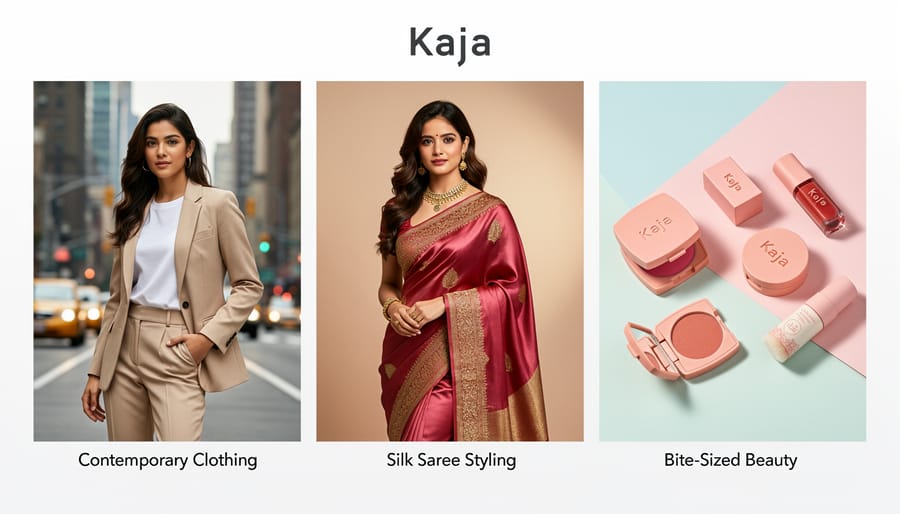
KAJA Clothing: Contemporary Women’s Apparel
KAJA Clothing has carved out its niche in the contemporary women’s wear market through strategic retail partnerships, most notably with Nordstrom. The brand appeals to women who want polished, modern pieces that transition seamlessly from work meetings to weekend plans, think elevated basics with unexpected details rather than trend-chasing fast fashion.
Their 2026 collection announcement signals the brand’s commitment to staying relevant in a competitive landscape. While we don’t have specific pricing available, KAJA Clothing positions itself in the contemporary tier, offering quality construction and on-trend silhouettes without luxury price tags.
What sets KAJA apart is its understanding of how fashion-forward women actually dress. You won’t find overwrought statement pieces or costumey designs. Instead, the brand focuses on versatile separates: tailored trousers that actually fit, blazers with just enough structure, knit dresses that work beyond the office. It’s the kind of wardrobe that makes getting dressed feel effortless rather than exhausting.
The Nordstrom partnership gives KAJA legitimacy and accessibility, you can touch the fabrics, assess the quality, and return easily if something doesn’t work. For women juggling careers, social lives, and the constant pressure to look put-together, KAJA Clothing offers a straightforward solution: contemporary style without the guesswork.
Kaja Fashions: Semi Kanchipuram Silk Saree Specialists
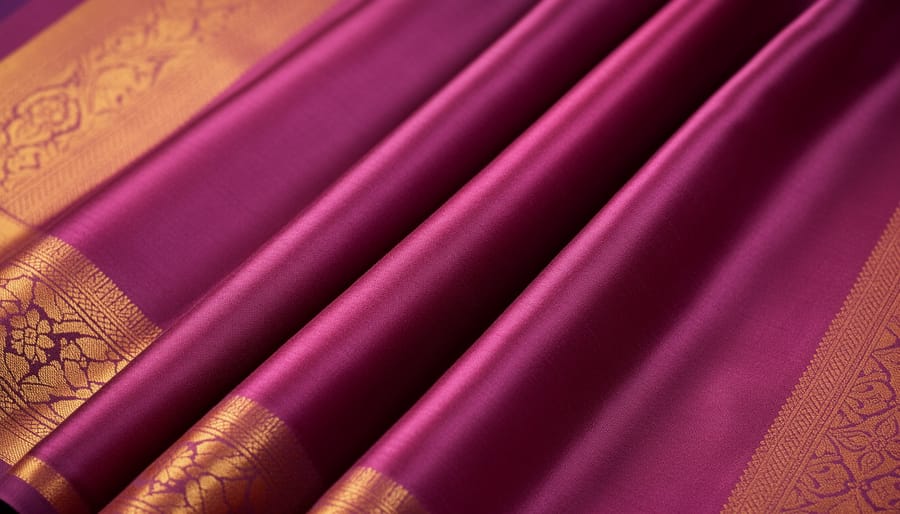
Kaja Fashions operates from a modest storefront at 9222 Keele St Unit 9 in Vaughan, Ontario, where they’ve carved out a specialized niche in the Canadian South Asian fashion market. Unlike KAJA Clothing’s contemporary Western aesthetic, this retailer focuses exclusively on Semi Kanchipuram Silk Sarees, traditional Indian garments known for their lustrous silk and intricate weaving techniques that blend heritage craftsmanship with accessible pricing.
Throughout 2026, Kaja Fashions has maintained a steady release schedule with fresh collections arriving in May, July, and early August, each drop introducing new color palettes and motif variations while staying true to the Semi Kanchipuram tradition. This consistency matters for brides, wedding guests, and anyone building a formal ethnic wardrobe, as the predictable timing lets shoppers plan purchases around specific events.
The Vaughan location serves the Greater Toronto Area’s substantial South Asian community, positioning itself as a go-to destination for women seeking traditional elegance without the premium price tags of pure Kanchipuram silk. While Kaja Fashions shares a name with KAJA Clothing, they serve completely different style universes, one rooted in South Asian heritage, the other in contemporary Western fashion. If your search for “a ja fashion” was actually seeking saree specialists rather than modern apparel, this is where that linguistic confusion leads you to something genuinely valuable.
KAJA Beauty: Korean Innovation in Bite-Sized Beauty
While KAJA Beauty operates in a different category than apparel, it shares the ‘Kaja’ name recognition, and like its fashion counterparts, it draws from Asian aesthetic traditions. The brand specializes in bite-sized beauty packed with Korean innovation, creating compact, playful products that merge K-beauty principles with on-the-go convenience.
Korean beauty’s influence on global fashion extends beyond skincare formulas. It’s shaped color palettes, packaging design, and the broader aesthetic many contemporary brands chase. KAJA Beauty’s approachable, fun packaging philosophy mirrors the same cultural shift that’s made Japanese skincare and K-beauty staples in fashion-forward routines worldwide.
For anyone navigating the ‘a ja fashion’ search space, KAJA Beauty represents how Asian cultural aesthetics translate across categories. The brand’s presence reinforces why ‘Kaja’ appears in multiple contexts, it’s become shorthand for accessible innovation with Asian design roots, whether you’re shopping silk sarees, contemporary women’s wear, or cushion blush compacts. This cross-category recognition might explain some of the search confusion between ‘a ja’ and various Kaja brands.
Could ‘A Ja’ Be an Emerging Street Style Aesthetic?
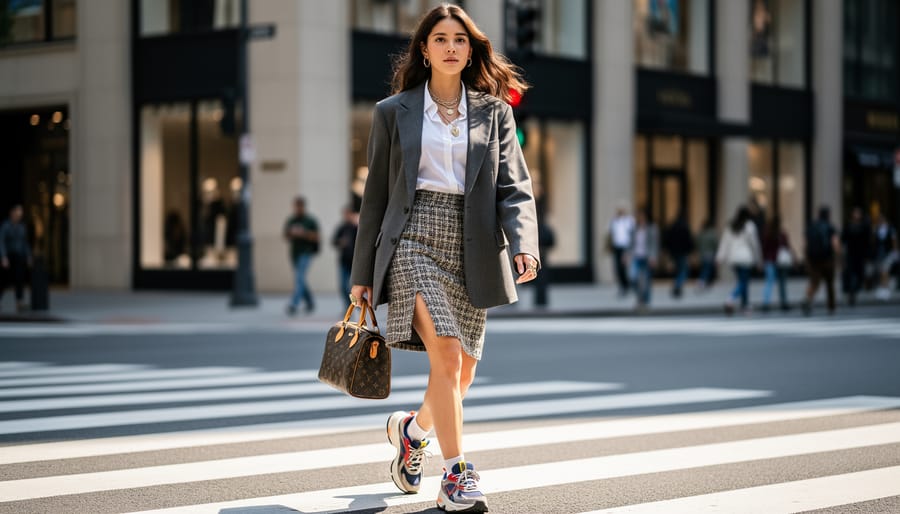
Fashion terminology doesn’t evolve in boardrooms, it bubbles up from streets, social feeds, and cultural crosscurrents. When search patterns point to ‘a ja fashion,’ we can’t dismiss it as pure typo territory. Street style movements have emerged from stranger origins, from harajuku to normcore, and phonetic spellings often signal communities creating their own fashion language before mainstream fashion catches on.
The parallel to Japanese street fashion matters here. Those subcultures didn’t wait for dictionary definitions, they dressed first, named themselves later, and the fashion world followed. Could ‘a ja’ represent a similar grassroots aesthetic taking shape through search behavior and social sharing before it crystallizes into something defined?
The characteristics we might look for: cross-cultural fusion that defies easy categorization, intentional misspellings or phonetic plays that create insider language, and style choices that resist neat labeling. When established brands like KAJA Clothing or Kaja Fashions don’t fully explain search volume, that gap often signals something else happening at ground level.
This isn’t about inventing trends where none exist. It’s about recognizing that fashion vocabularies expand through usage, not authorization. Search data reveals desire, people looking for ‘a ja fashion’ want something specific enough to type it repeatedly, even if it hasn’t been formally defined yet. Whether that represents an emerging aesthetic or simply the messy, creative way real people search for style inspiration, it deserves consideration beyond autocorrect.
How to Navigate Your Kaja Fashion Journey in 2026
Finding the right Kaja brand for your style needs starts with understanding what you’re after. If you’re drawn to contemporary women’s apparel with a modern edge, KAJA Clothing’s pieces at Nordstrom offer versatile wardrobe foundations that work for both work and weekend. For those seeking traditional South Asian elegance, Kaja Fashions in Vaughan specializes in Semi Kanchipuram Silk Sarees, with fresh collections dropping throughout each season, pieces arrived in May, July, and early August throughout 2026, so checking in quarterly keeps you connected to what’s new.
Stay informed without obsessing over specific releases by following these brands directly through their retail channels and social media. While pricing details vary and shift seasonally, focusing on the aesthetic and craftsmanship helps you identify pieces that genuinely fit your wardrobe rather than chasing temporary trends. Whether you initially searched “a ja fashion” or deliberately sought out Kaja brands, the style tips that matter most are the ones that honor your personal expression, trust what speaks to you, explore different cultural fashion languages, and remember that your fashion journey is exactly that: yours to define.
Whether you landed here typing “a ja fashion” in a late-night style spiral or genuinely curious about what those syllables mean, you’ve discovered something valuable: fashion doesn’t always fit neatly into search bars. The confusion between “a ja” and “Kaja” reflects how we actually talk about style, through phonetic shortcuts, cultural whispers, and terms that haven’t quite made it to official brand names yet. In 2026, you’ve got tangible options with KAJA Clothing’s contemporary collections and Kaja Fashions’ specialized saree offerings, both serving distinct style communities. But you’ve also got the freedom to define “a ja” however it resonates with you, as an emerging aesthetic, a cultural reference, or simply your personal fashion language that doesn’t need validation from established brands. The real power isn’t in getting the spelling right; it’s in trusting your instincts about what you’re drawn to and staying curious about the style movements forming right now, before they get official names and Instagram hashtags. Your search confusion just proved you’re ahead of the curve.